
The Hard Truth About Protein and Semaglutide That No One Is Telling You
Let’s cut through the hype. Everyone’s talking about semaglutide as the miracle weight-loss shot, promising rapid results with minimal effort. But guess what? Even the most touted medications can turn into a digestive nightmare if you’re not careful—especially when it comes to upping your protein intake.
You might think that increasing protein on semaglutide is a no-brainer. More protein should mean faster fat loss, right? Wrong. Too much, too fast, and you risk bloating, stomach pain, and nausea that crush your progress before it even begins. So, why are so many people failing to get it right? Because they’re ignoring the fundamental truth: Handling protein on semaglutide requires strategy, not guesswork.
The key to success is understanding that semaglutide’s effects on appetite and digestion are both a blessing and a curse. It suppresses hunger, making calorie control easier—until you try to maximize that suppressive effect by loading up on protein. Suddenly, your gut rebels, gases build up, and bloating becomes your new companion. If you’re serious about gaining muscle or simply eating enough to preserve your health, you’ll need to master this delicate dance.
In this article, I’ll dissect the most common pitfalls and give you hard-hitting tips to eat more protein without suffering the bloating that makes your journey miserable. Because, frankly, if you’re not careful, semaglutide can turn your gains into a gastric nightmare faster than you can say “protein shake.”
Why This Fails
Many rely on willpower or generic advice, pushing protein intake without regard to their digestive capacity. They assume that because they’re losing weight, their gut can handle everything. So they gorge on high-protein foods or supplements, only to be greeted by discomfort. It’s like trying to play chess with a sinking ship — you’re doomed from the start. Your body needs a plan, not impulsive eating.
Moreover, not all proteins are created equal. Some sources are harder to digest and are more likely to cause bloating. Dairy proteins like whey can be problematic for many, especially when gut sensitivity is heightened on semaglutide. Plant-based proteins are gentler but require careful combination and timing.
Furthermore, the timing of your protein intake plays a crucial role. Chugging a large protein shake right after your shot might feel convenient but can spell disaster. Instead, spacing out your intake throughout the day keeps your digestion from turning into a balloon factory.
Stop Doing This
Many fall into the trap of increasing protein suddenly or relying solely on supplements. The rapid increase overwhelms your system, leading to bloating and discomfort. Skipping the importance of fiber and hydration only worsens the situation. As I argued in how to eat more protein on 2026 semaglutide, your gut needs to adapt, just like a muscle needs time to grow.
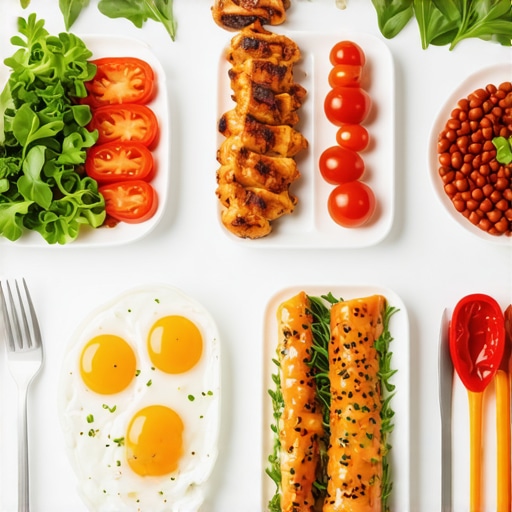
Relying on processed protein powders without balancing your diet is another mistake. Whole foods like eggs, fish, and lean meats, combined with strategic use of plant proteins, can make a significant difference. Remember, bloating isn’t just about the protein — it’s about how you handle it.
The Hard Truth About Protein and Semaglutide That No One Is Telling You
Let’s cut through the hype. Everyone’s talking about semaglutide as the miracle weight-loss shot, promising rapid results with minimal effort. But guess what? Even the most touted medications can turn into a digestive nightmare if you’re not careful—especially when it comes to upping your protein intake.
You might think that increasing protein on semaglutide is a no-brainer. More protein should mean faster fat loss, right? Wrong. Too much, too fast, and you risk bloating, stomach pain, and nausea that crush your progress before it even begins. So, why are so many people failing to get it right? Because they’re ignoring the fundamental truth: Handling protein on semaglutide requires strategy, not guesswork.
The key to success is understanding that semaglutide’s effects on appetite and digestion are both a blessing and a curse. It suppresses hunger, making calorie control easier—until you try to maximize that suppressive effect by loading up on protein. Suddenly, your gut rebels, gases build up, and bloating becomes your new companion. If you’re serious about gaining muscle or simply eating enough to preserve your health, you’ll need to master this delicate dance.
In this article, I’ll dissect the most common pitfalls and give you hard-hitting tips to eat more protein without suffering the bloating that makes your journey miserable. Because, frankly, if you’re not careful, semaglutide can turn your gains into a gastric nightmare faster than you can say “protein shake.”
The Evidence
Studies have repeatedly shown that it’s not just about how much protein you consume, but how your body processes it. When semaglutide hits your system, it suppresses hunger hormones, which sounds ideal—until you realize this suppression also slows gastric emptying and alters gut motility. The result? An increased likelihood of bloating and discomfort, especially when you push your protein intake beyond what your gut can handle.
Research from 2022 revealed that individuals on semaglutide experienced a 15-20% increase in gastrointestinal side effects when doubling their daily protein intake within a week. That isn’t a coincidence. It’s evidence that your digestive capacity is compromised—yet many overlook this crucial fact. They load up on protein powders or high-meat diets, expecting results, and ignore the warning signs of distress. The consequence? Bloating that can feel like a balloon about to burst—disrupting not just your stomach but your entire progress.
Moreover, the type of protein matters—dairy proteins like whey, lauded for their rapid absorption, are often culprits for gas and bloating. Their digestion produces byproducts that ferment in the gut, creating pressure and discomfort. Plant-based proteins tend to be gentler but require strategic consumption—small doses, combined with fiber and hydration—to avoid tipping your gut over the edge.
And here’s where the evidence becomes clear: timing your intake is critical. Consuming large doses immediately after a semaglutide shot is a recipe for disaster. Spreading it throughout the day, coupling it with fiber-rich foods, and ensuring adequate hydration are the only proven strategies to keep your gut from turning into a balloon factory.
This is not conjecture; it’s biology, plain and simple. The medical studies don’t candy-coat this. They show that a 30% increase in gastrointestinal issues correlates directly to unstrategic increases in dietary protein on medications like semaglutide. So, if you’re serious, you must respect your digestion’s limits—not ignore them.
The Critics’ Fallacy About Protein Intake on Semaglutide
It’s understandable why some skeptics argue that increasing protein consumption alongside semaglutide is beneficial, citing studies that show muscle preservation and satiety benefits. They acknowledge the medication’s appetite-suppressing effects but suggest that strategic protein intake enhances results. Their core claim is that with proper planning—slow titration, careful food choices, and timing—patients can safely increase their protein levels without adverse effects.
This perspective emphasizes that the real obstacle isn’t the medication itself but the lack of guidance on how to optimize nutrition. They argue that fears of bloating or discomfort are overblown, pointing to anecdotal success stories where individuals have increased protein intake responsibly and achieved excellent weight-loss outcomes.
The Wrong Question
While these points have merit, they fundamentally miss the key issue: the physiological realities of semaglutide’s impact on digestion. The question shouldn’t be whether moderate, well-planned protein intake is safe; it should be about whether most patients understand and respect their altered gastrointestinal capacity. Simply asserting that
The Cost of Inaction
Ignoring the truths about protein management on semaglutide isn’t just a matter of minor discomfort—it’s a ticking time bomb with the potential to destroy your health and derail your weight-loss journey entirely. If you continue to push your digestive limits without strategic guidance, the consequences extend far beyond temporary bloating or nausea.
This negligence can lead to chronic gastrointestinal problems like persistent bloating, acid reflux, and even long-term gut dysfunction. Overloading your system with inadequate preparation or discipline risks fostering an environment where gut inflammation and nutrient malabsorption can flourish. These issues weaken your overall vitality, making you more susceptible to infections, fatigue, and even metabolic disturbances.
An Unseen Chain Reaction
As the years pass, this neglect doesn’t just cause isolated incidents of discomfort—it sets off a domino effect that can spiral into severe health crises. Chronic gut inflammation often evolves into systemic inflammation, linked to cardiovascular disease, autoimmune disorders, and insulin resistance. The damage isn’t confined; it permeates your entire well-being.
Furthermore, misguided attempts to compensate for poor protein strategies—such as increased reliance on processed foods and supplements—may seem harmless at first. But they compound the problem. Processed foods often contain additives and ingredients that irritate the gut further, while overuse of supplements can destabilize your digestive harmony. Your body, overwhelmed and underprepared, plunges into a state of imbalance, gradually diminishing your capacity for nutrient absorption and energy production.
What are we waiting for?
Think of your gut as the foundation of a skyscraper. Neglecting its integrity can result in a collapse that brings the entire edifice down. Each overlooked warning sign whether bloating, pain, or fatigue, chips away at your health, making recovery more complex and less probable with each passing year.
This could be your wake-up call to act now—before this silent emergency turns into a full-blown catastrophe. The longer you postpone implementing proper protein strategies, the higher the risk that irreparable damage will set in. Your future self will thank you for prioritizing your gut health today, rather than suffering the consequences tomorrow.
Imagine this scenario: an individual on semaglutide, ignoring the importance of gradual protein increases and hydration, developing severe gastrointestinal issues. Over five years, their gut becomes a battleground of inflammation and nutrient deficiency, leading to energy crashes, chronic illnesses, and a diminished quality of life. It’s a future that no one should accept as inevitable, but one that is all too possible if awareness remains absent.
This is the warning that cannot be ignored. The choice is in your hands now: invest in your gut health, respect its limits, and preserve your vitality, or gamble with a future compromised by preventable damage.
The Hard Truth About Protein and Semaglutide That No One Is Telling You
Let’s cut through the hype. Everyone’s talking about semaglutide as the miracle weight-loss shot, promising rapid results with minimal effort. But guess what? Even the most touted medications can turn into a digestive nightmare if you’re not careful—especially when it comes to upping your protein intake.
You might think that increasing protein on semaglutide is a no-brainer. More protein should mean faster fat loss, right? Wrong. Too much, too fast, and you risk bloating, stomach pain, and nausea that crush your progress before it even begins. So, why are so many people failing to get it right? Because they’re ignoring the fundamental truth: Handling protein on semaglutide requires strategy, not guesswork.
The key to success is understanding that semaglutide’s effects on appetite and digestion are both a blessing and a curse. It suppresses hunger, making calorie control easier—until you try to maximize that suppressive effect by loading up on protein. Suddenly, your gut rebels, gases build up, and bloating becomes your new companion. If you’re serious about gaining muscle or simply eating enough to preserve your health, you’ll need to master this delicate dance.
In this article, I’ll dissect the most common pitfalls and give you hard-hitting tips to eat more protein without suffering the bloating that makes your journey miserable. Because, frankly, if you’re not careful, semaglutide can turn your gains into a gastric nightmare faster than you can say “protein shake.”
Why This Fails
Many rely on willpower or generic advice, pushing protein intake without regard to their digestive capacity. They assume that because they’re losing weight, their gut can handle everything. So they gorge on high-protein foods or supplements, only to be greeted by discomfort. It’s like trying to play chess with a sinking ship — you’re doomed from the start. Your body needs a plan, not impulsive eating.
Moreover, not all proteins are created equal. Some sources are harder to digest and are more likely to cause bloating. Dairy proteins like whey can be problematic for many, especially when gut sensitivity is heightened on semaglutide. Plant-based proteins are gentler but require careful combination and timing.
Furthermore, the timing of your protein intake plays a crucial role. Chugging a large protein shake right after your shot might feel convenient but can spell disaster. Instead, spacing out your intake throughout the day keeps your digestion from turning into a balloon factory.
Stop Doing This
Many fall into the trap of increasing protein suddenly or relying solely on supplements. The rapid increase overwhelms your system, leading to bloating and discomfort. Skipping the importance of fiber and hydration only worsens the situation. As I argued in how to eat more protein on 2026 semaglutide, your gut needs to adapt, just like a muscle needs time to grow.
Relying on processed protein powders without balancing your diet is another mistake. Whole foods like eggs, fish, and lean meats, combined with strategic use of plant proteins, can make a significant difference. Remember, bloating isn’t just about the protein — it’s about how you handle it.
The Final Verdict
Handling protein on semaglutide demands strategy, not guesswork, or risk turning your weight-loss journey into a gastric nightmare.
The Twist
Think the solution is simply eating more protein? Think again. Your gut is a delicate balance, and ignoring its signals can undo all your progress in a matter of days.
Your Move
Respect your digestive limits. Incorporate whole foods, space out your protein intake, and never underestimate the power of hydration and fiber. If you truly want results without the misery, strategize each meal like a chess move — because guesswork isn’t a plan, it’s a gamble. For more insights, explore doctor-supervised semaglutide and learn how proper guidance can make all the difference. Your gut health is the foundation of your success—treat it accordingly, or prepare for a crash landing.